

Storm Cleanup
Featured guide
Storm-Damaged Tree? What To Do Before the Damage Gets Worse
Learn the first safety checks after storm damage, when to schedule storm cleanup, and when removal is the safer option.
After wind, ice, or heavy rain, the first question is not whether a tree looks ugly. It is whether the tree is safe. If the trunk is split, the tree is leaning suddenly, or heavy limbs are hanging over a roof or driveway, stay back and request storm cleanup before anything else.
Check for immediate hazards
- Look for cracked trunks, hanging branches, and soil lifting around the root plate.
- Keep people, pets, and vehicles away from the hazard zone.
- Take photos from a safe distance so you can document the damage.
Prune, stabilize, or remove?
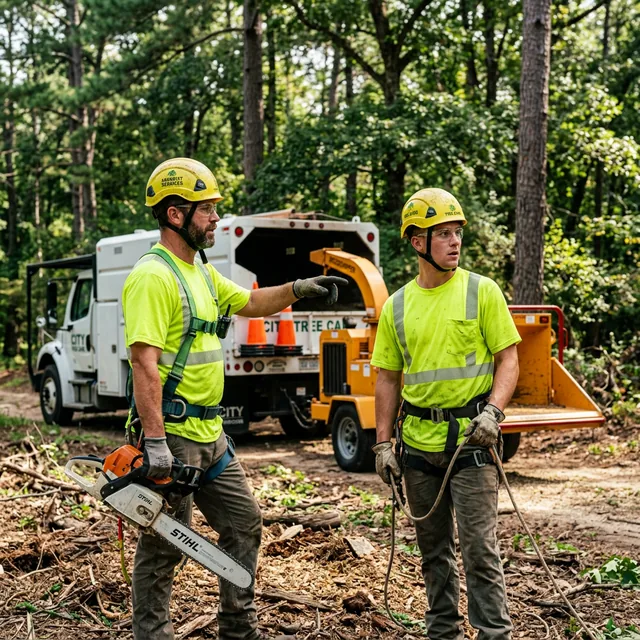
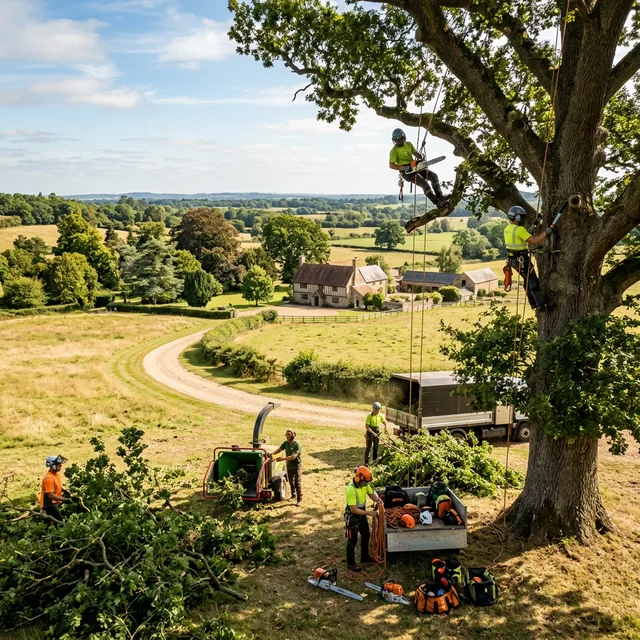
Some storm-damaged trees can be saved with selective pruning and follow-up care. Others need tree removal because the trunk, root system, or main scaffold limbs are no longer structurally sound. Our crew looks at access, strike targets, and the amount of live crown left before making that call.
Where this comes up most often
We see storm damage throughout Vancouver, WA, Portland, OR, and nearby neighborhoods that deal with exposed wind corridors and mature trees. If the tree is still standing but looks questionable, compare the risk against our tree trimming and pruning service before the next wind event.
Need a fast read on the next step? Use our Ask an Expert form and we will help you decide whether the tree can be saved or needs to come down.
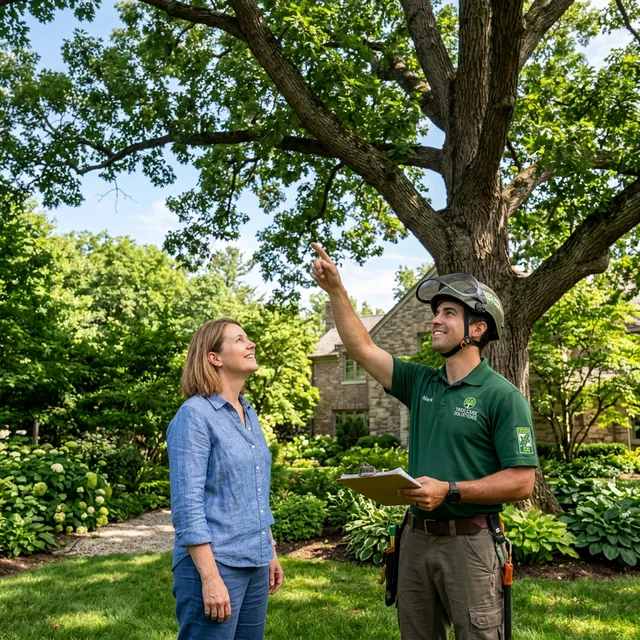
Need help with this issue on your property? Our ISA Certified Arborists can evaluate your situation and recommend the best course of action.