Tree Health
Featured guide
Warning Signs a Tree Should Be Removed Instead of Saved
Some trees can be pruned and monitored, but others are already too compromised. Learn the warning signs that point toward removal.
Not every problem tree needs to come down right away, but some warning signs mean the safer choice is removal. If the trunk is splitting, the root flare is lifting, or a major stem has already failed, the tree may be beyond a realistic recovery plan.
Red flags that matter
- Severe lean that is new or getting worse.
- Cracks, cavities, or decay in the trunk or major limbs.
- Repeated branch failures in the same canopy section.
- Root disturbance, soil heave, or visible instability at the base.
When pruning is not enough
Light pruning can reduce risk, but it cannot restore lost structural integrity. If the tree still has enough vitality and the defect is minor, our tree trimming team may be able to help. If the trunk or root system is compromised, tree removal is the safer plan.
Where to get a second opinion
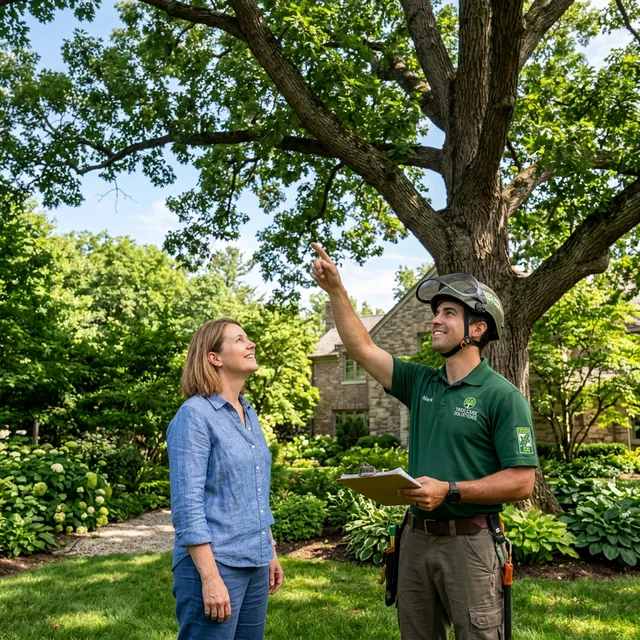
We frequently see these decisions come up in Camas, WA, Vancouver, WA, and Portland, OR where mature trees sit close to homes, fences, and driveways. If you are not sure, ask for an on-site assessment before the next storm changes the situation for you.
You can also compare the tree to our storm cleanup service if recent weather accelerated the damage.
Need help with this issue on your property? Our ISA Certified Arborists can evaluate your situation and recommend the best course of action.